Choosing the best internet in Utah isn’t as simple as picking a familiar provider. With strong fiber options in many cities, older technology in some rural towns, and a patchwork of cable, wireless, and satellite coverage, the right choice depends on your exact address and needs. This guide will help you understand your options, avoid hidden fees, and get connected—whether you’re in Salt Lake City, Moab, or a remote mountain valley.
Utah is a leader in affordable fiber internet—especially in cities and suburbs. But rural areas can still face limited options, slower speeds, or confusing plan details. Here’s what to know:

Strong fiber presence from Google Fiber, UTOPIA, and more.
Some communities have local co-ops or fixed wireless, but many still depend on satellite or older DSL.
Cable, fiber, and fixed wireless often overlap.
Generally fair, but real speeds and fees vary by provider and address.
Service varies greatly depending on infrastructure, terrain, and proximity to urban centers.
Internet delivered through fiber-optic cables
Internet delivered through cable TV lines
Internet delivered over phone lines
Internet delivered from nearby cellular towers
Internet delivered from satellites in space
~$70/mo
8 Gbps
Select cities/ neighborhoods
Tech-heavy homes, remote work
~$55/mo
10 Gbps
Many cities, suburbs
Families, flexibility
~$30/mo
1.2 Gbps
Statewide (most areas)
Homes w/o fiber
~$50/mo
940 Mbps
Statewide (fiber limited)
Fiber homes, fallback DSL
~$50/mo
100 Mbps
Rural/suburban
Rural homes
~$50/mo
1 Gbps
Central/rural communities
Small towns, rural
~$60/mo
1 Gbps
Select cities
Families in covered areas
~$50/mo
1 Gbps
N. Utah (local)
Supported N. Utah towns
~$50/mo
1 Gbps
Central/East Utah
Rural Emery County
~$70/mo
Multi-gig
N. Utah/WY border
Rural/small towns w/ fiber
~$50/mo
100 Mbps
Rural Utah
Rural, no-cable/fiber homes
~$55/mo
5 Gbps
Varies (partner networks)
Fiber/cable in select areas
~$50/mo
Multi-gig
Select markets
Fiber-served only
~$50/mo
200+ Mbps
Statewide
Remote, no other options
Internet Type: Fiber
Availability: Select cities and neighborhoods (Salt Lake City, Provo, West Valley, nearby areas)
Speed Range: up to 8 Gbps
Typical Pricing: ~$70–$150/month
Data Caps / Contracts: No data caps, no contracts
Best for: Tech-heavy households, remote workers, gamers, and large families in covered cities
Internet Type: Fiber (open-access network)
Availability: Many Utah cities and suburbs
Speed Range: up to ~10 Gbps (varies by ISP)
Typical Pricing: ~$55–$150/month
Data Caps / Contracts: No data caps, usually no contracts
Best for: Families, students, home offices, and small businesses wanting fiber flexibility
Internet Type: Cable
Availability: Widely available across Utah
Speed Range: 75 Mbps–1.2 Gbps
Typical Pricing: ~$30–$100/month (promo pricing common)
Data Caps / Contracts: Data caps on some plans; contracts vary
Best for: Homes and apartments without fiber access
Internet Type: Fiber & DSL
Availability: Statewide (fiber limited; DSL more common)
Speed Range: 20 Mbps–940 Mbps
Typical Pricing: ~$50–$90/month
Data Caps / Contracts: Fiber plans usually unlimited; DSL varies
Best for: Homes with Quantum Fiber access; DSL only as a last resort
Internet Type: Fixed Wireless
Availability: Rural and suburban Utah
Speed Range: 10–100 Mbps
Typical Pricing: ~$50–$100/month
Data Caps / Contracts: Varies by plan
Best for: Rural households without wired internet
Internet Type: Fiber, Cable, Fixed Wireless
Availability: Central and rural Utah communities
Speed Range: Up to 1 Gbps (fiber)
Typical Pricing: ~$50–$90/month
Data Caps / Contracts: Varies by service
Best for: Smaller cities and rural communities in CentraCom service area
Internet Type: Fiber & Cable
Availability: Select Utah cities
Speed Range: 300 Mbps–1 Gbps
Typical Pricing: ~$60–$100/month
Data Caps / Contracts: Generally no data caps
Best for: Families in TDS-covered neighborhoods
Internet Type: Fiber
Availability: Northern Utah (local markets)
Speed Range: Up to 1 Gbps
Typical Pricing: ~$50–$100/month
Best for: Residents in supported northern Utah towns
Internet Type: Fiber & Fixed Wireless
Availability: Central and eastern Utah
Speed Range: Up to 1 Gbps (fiber)
Best for: Rural households in Emery County areas
Internet Type: Fiber
Availability: Northern Utah & Wyoming border areas
Speed Range: Up to multi‑gig speeds
Best for: Rural and small-town homes with fiber access
Internet Type: Fixed Wireless
Availability: Rural Utah
Speed Range: 25–100 Mbps
Best for: Rural homes without fiber or cable
Internet Type: Fiber, Cable, Wireless (partner networks)
Availability: Varies by location
Speed Range: Up to 5 Gbps (fiber where available)
Best for: Areas with EarthLink fiber or cable access
Internet Type: Fiber & DSL
Availability: Select Utah markets
Speed Range: DSL low; fiber up to multi‑gig
Best for: Fiber‑served areas only
Internet Type: Satellite
Availability: Statewide
Speed Range: 25–200+ Mbps (Starlink fastest)
Best for: Remote Utah locations with no wired or wireless options
Not all internet types reach every address—always check what’s offered at your home.
Fiber: Fastest, most reliable Cable: Widely available, good for most homes Wireless/Satellite: For rural areas DSL: Last resort only
25–50 Mbps: Light use, 100–500 Mbps: Streaming, work, families, 500 Mbps+: Heavy use, gaming
Watch for installation, equipment, and price increases after promos.
Prefer unlimited, month-to-month plans if possible.
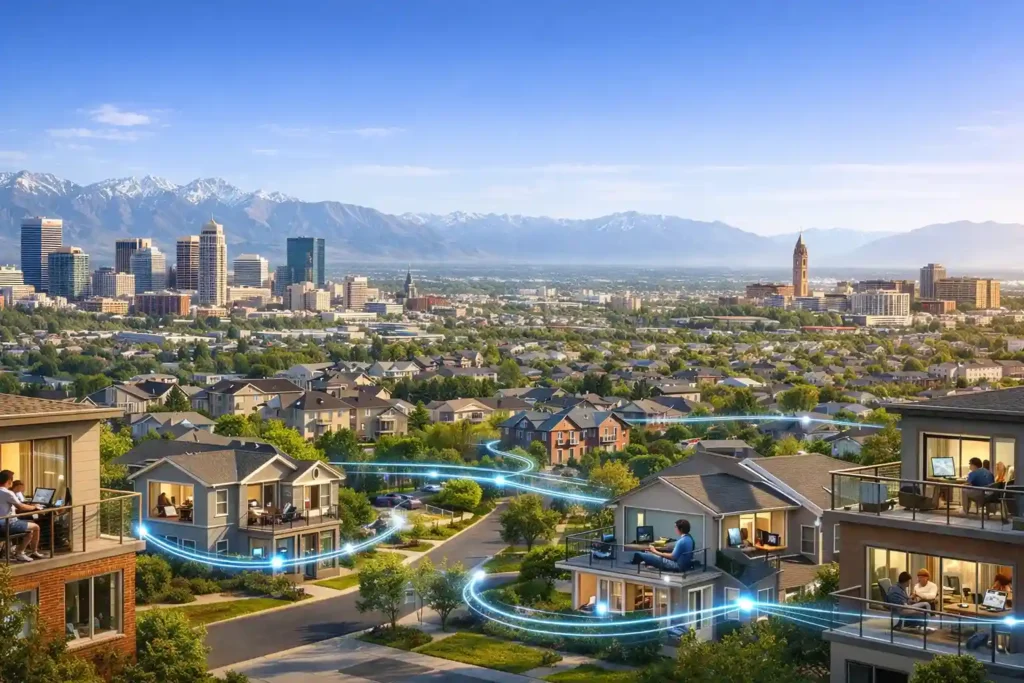
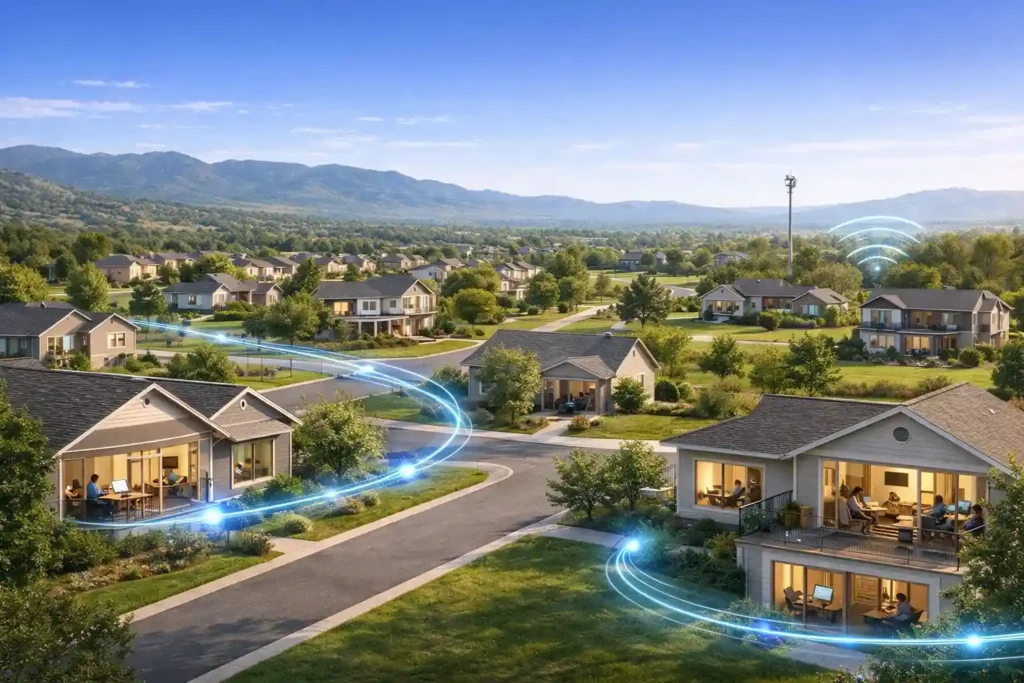
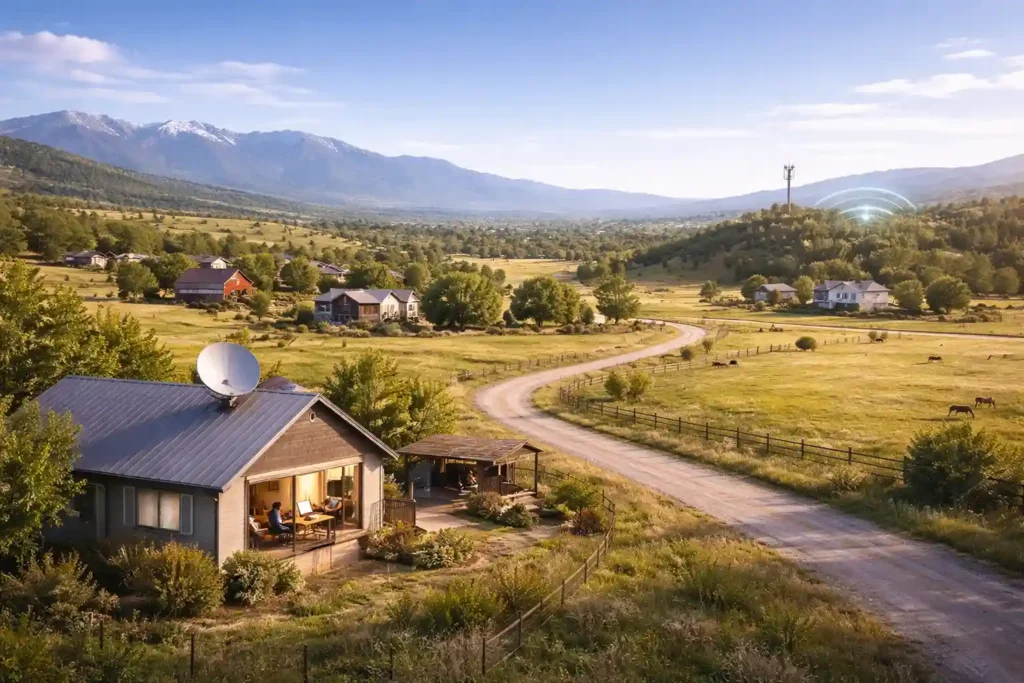

Utah’s mix of big cities, small towns, and rural areas means each region has different providers and technology. Fiber is common in cities, but rural homes often rely on wireless or satellite.
No. Fiber is mostly in larger cities and growing suburbs. Rural areas may have fixed wireless or satellite instead.
25 Mbps is good for basic use. 100+ Mbps is better for streaming, working from home, or families with many devices.
Most fiber plans have no data caps. Some cable, wireless, or satellite plans do—check details before signing up.
Fixed wireless or satellite (Starlink, HughesNet, Viasat) are common in rural areas. Some rural co-ops offer fiber.
Many providers use promotional pricing for 12 months. Always ask about the regular price after the promo ends.
Yes. Eligible households can apply for ACP or Lifeline to get monthly discounts—ask your provider.
Use online provider lookup tools or call local ISPs with your full address for the most accurate results.
Utah offers a wide range of internet options, from city fiber to rural satellite. The best choice depends on your exact address, how you use the internet, and your budget. Always compare real speeds, prices, and contract terms before deciding.